Compte à rebours pour Duralex, en quête d’un repreneur industriel
Les 80 ans du In et les 60 ans du Off face aux menaces sur le spectacle vivant
L’ultradroite la plus radicale face aux juges: retour sur un procès hors norme
Canicule répétée, forêts en flammes: la climatisation au cœur des stratégies d’adaptation
Coupes annoncées dans la culture : 28 scènes nationales sonnent l’alarme auprès de l’Élysée
BPI Leads Push for Integrated Seed Security System With New National Reserve Facility
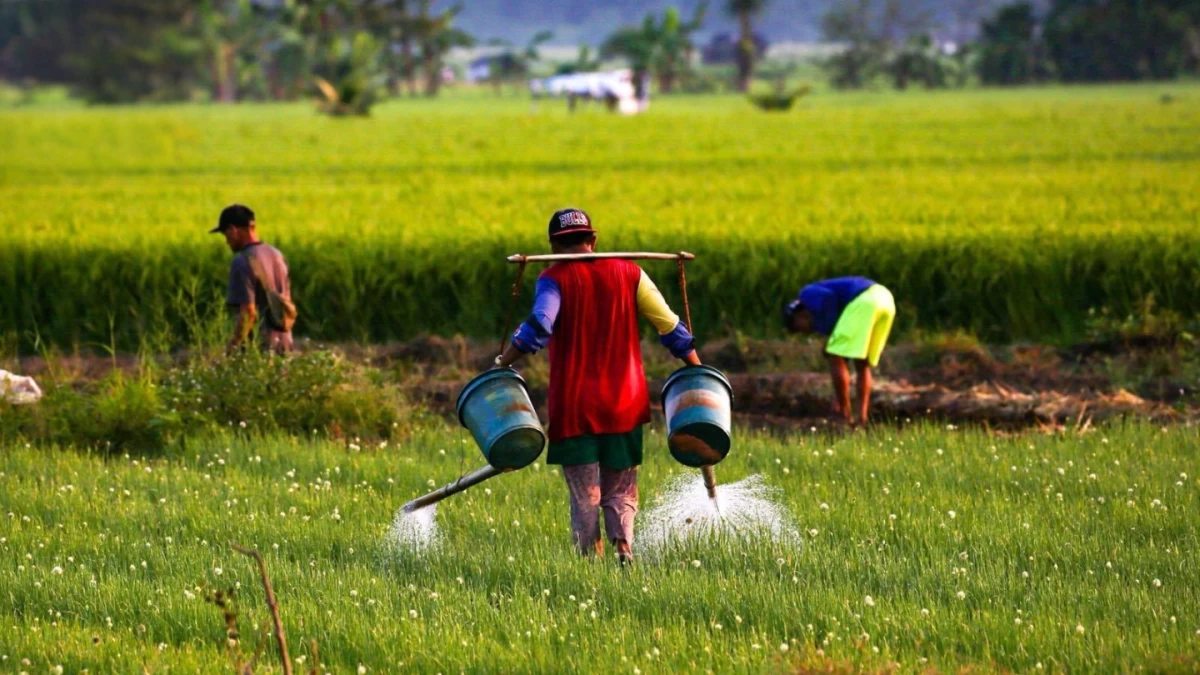
The Philippines is rolling out a nationwide network of seed storage facilities worth about ₱550 million in a bid to shield its agriculture sector and consumers from increasingly frequent climate shocks. The Department of Agriculture (DA) is positioning the so‑called seed vaults as critical infrastructure to keep high-quality planting materials on standby, enabling farmers to replant quickly after typhoons, droughts and other disruptions.
Agriculture Secretary Francisco Tiu Laurel Jr. said the DA has earmarked ₱250 million this year and plans to secure at least ₱300 million more in 2027 to build one seed storage system in each region. The move follows past supply imbalances, including an incident in Baguio where a shortage of carrot seeds after heavy rains pushed farmers to shift to cabbage, triggering a carrot shortfall and a glut of cabbage. The episode underscored how gaps in seed availability can cascade into price swings and hit farm incomes.
The flagship of the program is the National Seed Reserve Facility inaugurated at the Bureau of Plant Industry (BPI) compound in Quezon City. The upgraded complex includes three 400-square-meter storage rooms with capacity for around 9,000 bags of seeds, mainly rice, and runs partly on solar power—about 60% of its electricity needs—aimed at cutting operating costs and ensuring the vault remains functional during disruptions. BPI Director Glenn Panganiban described the project as a major step toward an integrated and reliable seed security system that supports regular planting programs, disaster response, rehabilitation and other government priorities.
Construction is under way on additional modern storage facilities in the Bicol region and Iloilo, with further sites planned in areas including Baguio, Laguna, Guimaras, Davao and Negros Occidental. DA officials say incorporating solar power across the warehouse network and making the vaults accessible to stakeholders will foster collaboration and help maintain seed quality and viability over longer periods. By building up buffer stocks nationwide, the agency aims to curb planting delays after calamities, speed up production recovery and reduce the risk of supply shocks that can fuel spikes in food prices.