Coupes annoncées dans la culture : 28 scènes nationales sonnent l’alarme auprès de l’Élysée
Les 80 ans du In et les 60 ans du Off face aux menaces sur le spectacle vivant
Travaux au Palais Garnier : l’Opéra de Paris s’engage dans un marathon de modernisation
Jusqu’à –62 % de croissance pour les jeunes huîtres : la filière face au risque climatique
L’ultradroite la plus radicale face aux juges: retour sur un procès hors norme
BSP Push Spurs Wave of Lower Digital Transfer Fees Across Philippine Lenders
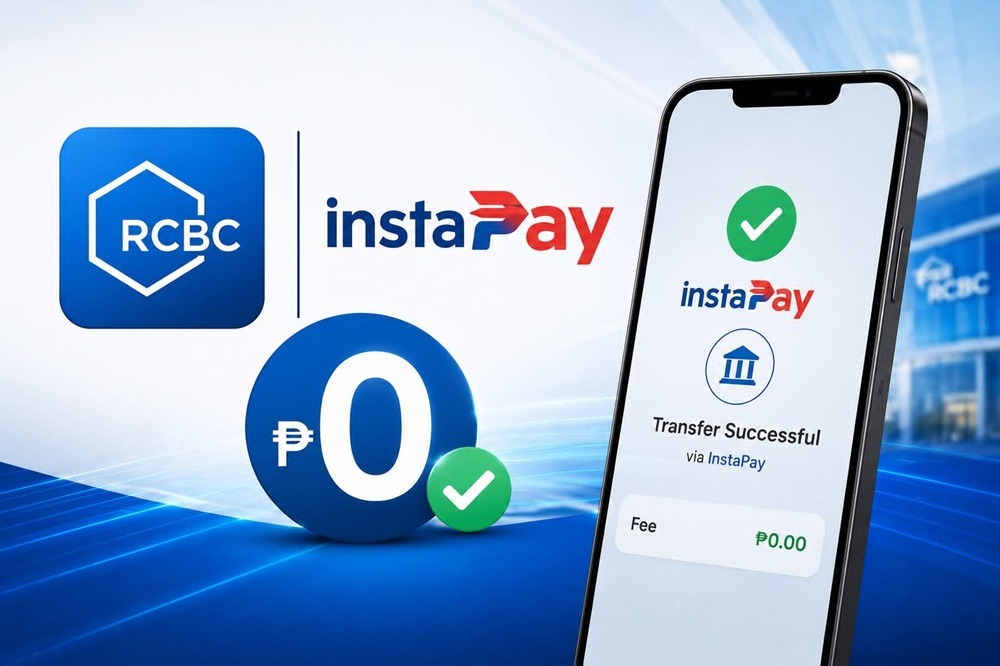
Digital money transfers in the Philippines are getting cheaper as banks and e-wallets cut or waive fees to comply with new pricing rules from the Bangko Sentral ng Pilipinas (BSP). The central bank said it expects more financial institutions to lower or scrap person-to-person digital transfer charges after BSP Circular No. 1238 took effect on July 4, and warned it will issue notices to firms that fail to adjust. The regulation requires “reasonable, fair, and market-based” pricing for individual e-payments, particularly for InstaPay and PESONet transactions.
Under the circular, fees for person-to-person e-payments across banks, e-wallets and other payment service providers — so-called off-us transactions — should not be materially different from fees for transfers within the same institution. Any gap between intrabank and interbank rates should reflect only the “switch cost,” or the fee charged by the clearing switch operator to process transfers through a payment network. Financial institutions must also be able to justify their pricing with an analysis of the actual costs of providing these services.
Several major players have already moved to align with the new rules. E-wallet giant GCash reduced its InstaPay transfer fee to 10 pesos from 15 pesos starting July 4, with a per-transaction cap of 50,000 pesos and no minimum amount. Its policies for sending and receiving money between GCash users remain unchanged, with up to 500 free transactions per month and a 5-peso fee for select users once that limit is exceeded. Maya Group said it would likewise trim its InstaPay fee to 10 pesos from 15 pesos by July 6, while keeping PESONet transfers free.
Among traditional lenders, Bank of the Philippine Islands has permanently waived InstaPay and PESONet charges for person-to-person interbank transactions made via its channels starting July 1. Rizal Commercial Banking Corp. has begun offering 30 free InstaPay transfers per month via its RCBC Pulz mobile app for transactions of at least 100 pesos, while maintaining a 10-peso PESONet fee; it also offers unlimited free InstaPay transfers through its Diskartech platform, subject to a daily limit of 499,999 pesos. These moves highlight intensifying competition in digital payments as banks, digital banks and e-wallet providers seek to attract and retain users by expanding online services and lowering transaction costs under the BSP’s new fee framework.